


The Guide to the Cathedral of Santiago de Compostela
48 pages of text and images

links to supplementary resources

Historical Context of the Cathedral
About Santiago and Its History
The Building
The Iconography of the Facades
The Interior

Text and image content

Digital PDF format
Language: English
Also available in: Português | Español
Discover the Cathedral of Santiago de Compostela, its history, and its significance
In this detailed guide to the Cathedral of Santiago de Compostela, plan a guided tour of this fantastic monument or simply learn about its history, iconography, and the details that make it one of the most important monuments of Christianity.

The Cathedral of Santiago de Compostela attracts hundreds of thousands of pilgrims and visitors each year, who make their way to this site via the various Routes of Santiago.
Since the 9th century, the Cathedral of Santiago de Compostela has been a major destination for pilgrims, and its architecture reflects its history.
Whether for religious reasons or because of its artistic, historical, and cultural appeal, it is undoubtedly a monument you shouldn’t miss.
The Cathedral of Santiago de Compostela
Originally built in a rural setting, it is now located in the heart of the historic center of the city of Santiago de Compostela, the capital of Galicia, in the province of A Coruña in northwestern Spain.
Who Is This Guide to the Cathedral of Santiago de Compostela Intended For?
This e-book is an essential resource for tourism professionals—particularly those specializing in cultural tourism—to prepare for a guided tour of the Cathedral of Santiago de Compostela. But also to:
- Lovers of art history and architecture who wish to deepen their knowledge of the city’s monuments and iconic sites.
- Professionals and students of cultural tourism seeking resources to support their education and the study of cultural heritage.
- Teachers and students interested in exploring the history, architecture, and monuments of Paris.
- Culturally curious travelers who wish to prepare for or enhance their exploration of the city through a heritage-focused approach.
- Readers interested in cultural heritage who are looking for a digital resource to explore Paris and its architectural treasures.
It is also suitable for anyone who wants to learn about this fantastic monument steeped in history or who is planning a visit.
Table of Contents
HISTORY OF THE CATHEDRAL
- Pilgrims and Pilgrimage Routes
- Eclecticism

ICONOGRAPHY OF THE FACADES
- Obradoiro Facade
- Azabachería Facade
- Platerías Facade
- Quintana Facade

FLOOR PLAN AND INTERIOR
- Portico of Glory
- Naves and Chapels
- Chancel
- Baldachin
- Altarpiece
- Crypt
- Incense Burner
- Radiant Chapels
What is an interactive e-book?
In Citaliarestauro.com’s interactive e-books you will find an author’s approach to the topics dealt with through text and images.
But we want your reading time to last longer!
Our e-books integrate links to other content related to the topics.
Adapted to mobile devices, they will be a consultation tool and a stimulus for deepening and exploring the treated devices.
How to buy?
Just add your order to this page. Once loaded with payment, you will receive your downloadable load with order confirmation.
The price includes VAT at the rate of 6%.
Author

Diana Ferreira
Licenciada en Historia del Arte por la Facultad de Letras de la Universidad de Porto y Maestra en Museología en España (Valladolid). Trabajó en la Galleria Nazionale d’Arte Moderna de Roma y en la dirección de la Galleria de los Uffizi, en Florencia. Con becas de investigación para proyectos en Italia e España, fue formadora y profesora responsable de la disciplina de Historia del Arte en Oporto e de Introducción al Historia del Arte, Iconografía e Historia de la Arquitectura en la Academia de Artes de Florencia.
En 2014 publicó el libro Guía de los Tesoros Arquitectónicos. Lisboa, Chiado Editora, 2014, fruto de una investigación en profundidad sobre los temas mencionados.
Online courses by Diana Ferreira

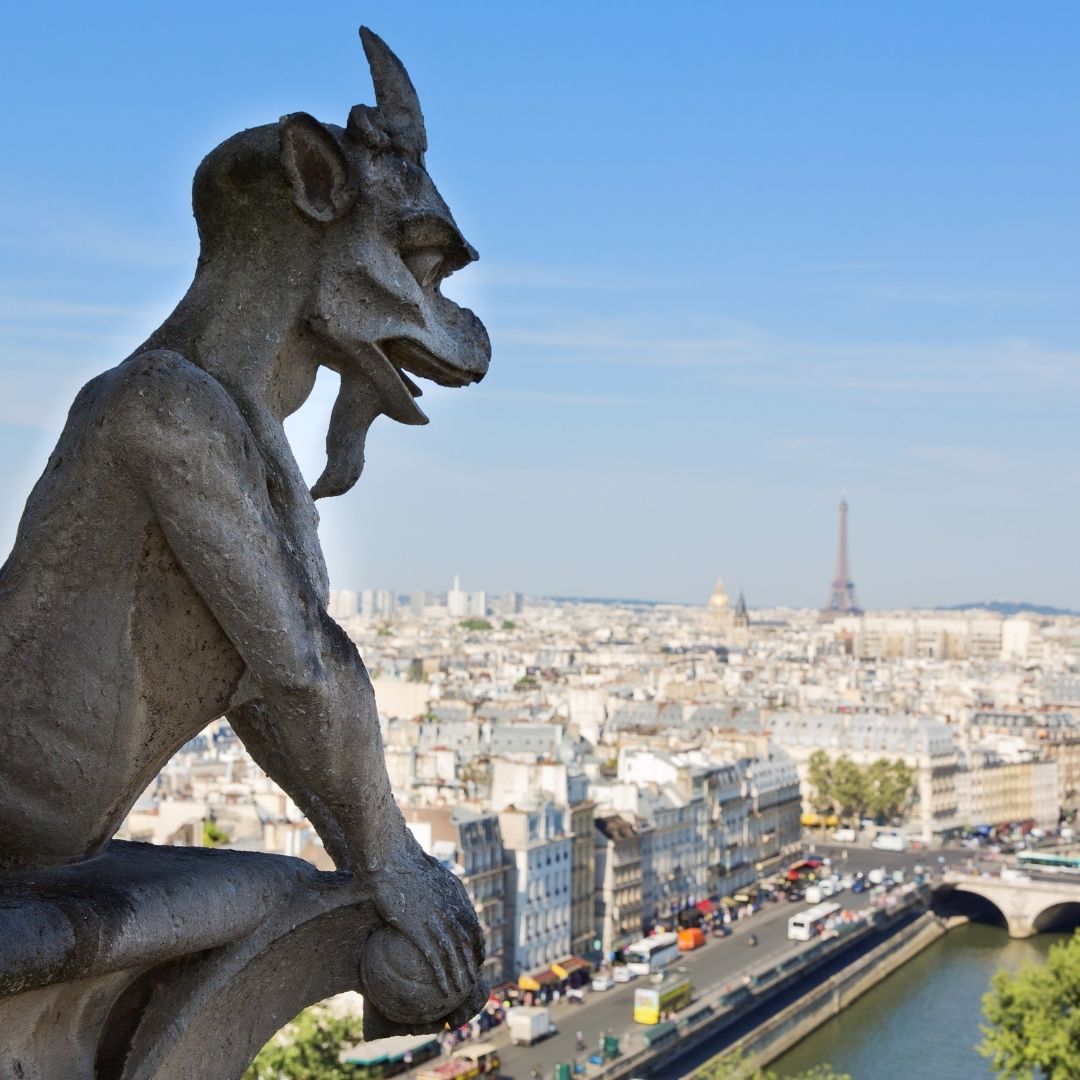
Guide of Paris – architectural heritage





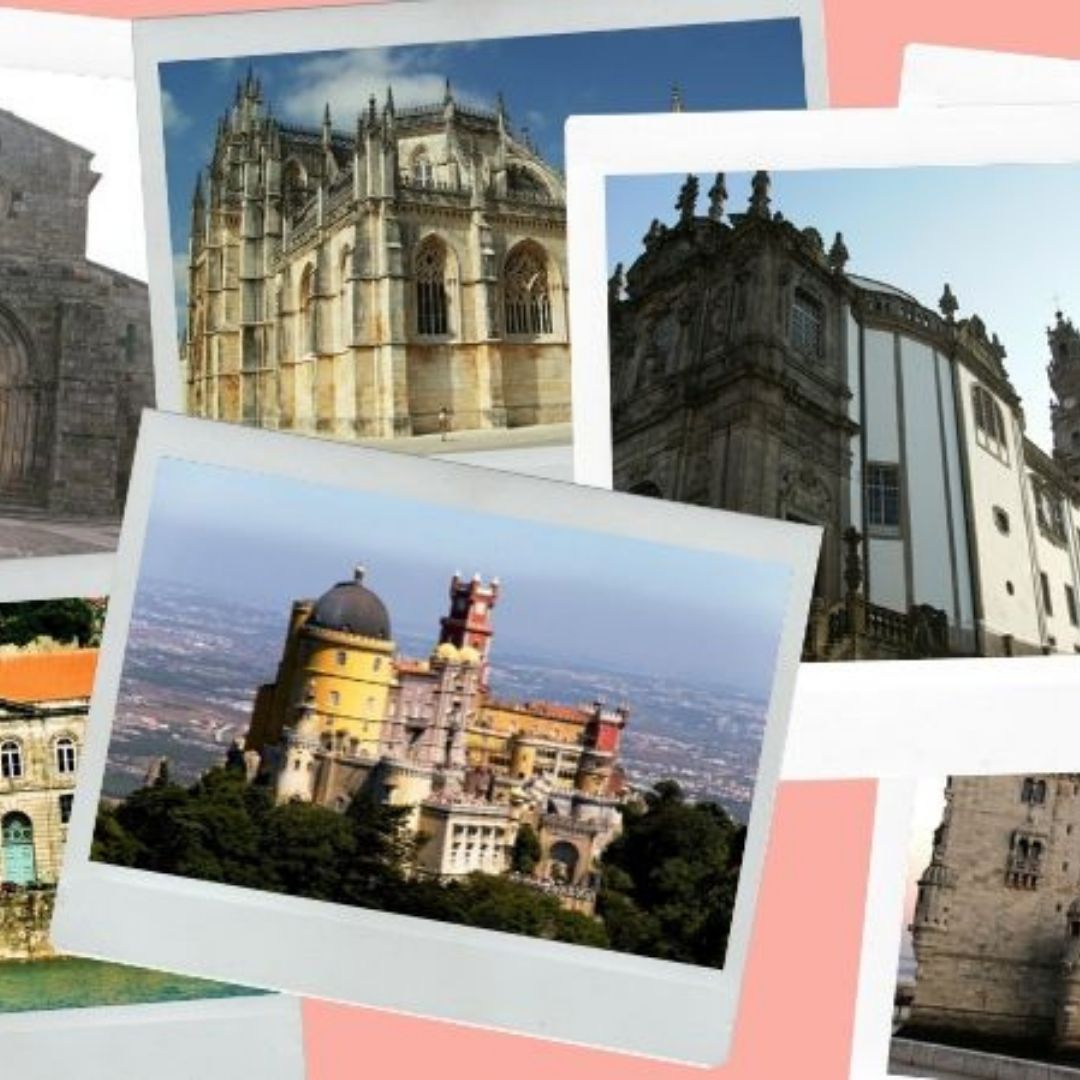

We offer you a sneak peek at this e-book, and you’ll learn about the origins of this fabulous monument
St. James the Greater
The Cathedral of Santiago de Compostela is dedicated to St. James the Greater (a term used to distinguish him from the other apostle of the same name, who was younger and known as “the Less”), a fisherman, apostle, and brother of St. John the Evangelist.

Saint James the Apostle , Rembrant
According to reports, after the Savior’s death, he traveled from Palestine to the Iberian Peninsula (Hispania at that time), fulfilling his Master’s wish by teaching the Gospel.

Santiago Mata-Mouros
The Martyrdom of Saint James
Upon his return to Jerusalem, Saint James was arrested and beheaded—becoming the first apostle to be martyred—by order of King Herod Agrippa I, to appease the Jewish opponents of Christianity (Acts 12:1–2), and was put to death by the sword in the year 44 in Jerusalem.

Santiago the Pilgrim
The First Tomb of St. James
After his martyrdom, his body was gathered by his disciples and buried in a funerary structure built in Libredón.
Over the centuries, the tomb was gradually forgotten; the elements gradually destroyed the small structure, and vegetation concealed the ruins. All that remained was the memory that the region’s inhabitants passed down from generation to generation.
Santiago de Compostela
In the early 9th century, a hermit observed, over several nights, inexplicable lights and sounds coming from the woods. Knowing that the apostle’s remains lay there, he reported the events to the bishop of the diocese, Teodomiro.
When the bishop ordered the bushes to be cut back to search for the tomb, he found a small structure with a modest altar and a crypt.
He then reported the discovery to the king of Asturias, Afonso II the Chaste, who traveled from Oviedo to see the tomb.
The Origins of the Cathedral of Santiago de Compostela
It was at the site where the tomb was found that King Alfonso II ordered the construction of a small sanctuary to house and venerate the apostle’s relics. They preserved the original altar and founded a monastery for twelve Benedictine monks who were to minister at the tomb.


