The history of art does not begin in Greece or Rome. Long before the great Mediterranean civilisations, Africa was already producing some of humanity’s earliest artistic expressions. From cave paintings to the great African kingdoms, from the civilisations of the Nile to the spread of Islam and Christianity, this course takes you on a journey through thousands of years of artistic creation, showing how the African continent developed its own visual languages and exerted a profound influence on European and global art.
Throughout the course on the History of African Art you will learn about the main cultures, works, techniques and historical contexts of African art, whilst also gaining an understanding of the impact that African sculpture and other artistic expressions have had on artists such as Pablo Picasso, Henri Matisse and Amedeo Modigliani.
It is aimed at anyone interested in art history, heritage, cultural tourism, museology and African cultures.
Languages: English
Also available in: Português
History of African Art
“Since humankind appears to have originated in Africa, it may well be that art, too, originated here.”
Frank Willett (1997) African Art
To tell the story of African art is to return to the origins of humanity, to the cradle of civilisation, to the earliest signs of human cognition, of interaction with the material world, and of the creation of visual symbols that represent and interpret it.
Objectives
On this course, you will learn about the history of African art beginning with rock art – considered to be humanity’s earliest artistic expressions – right through to the modern era and the influence of African art on European avant-garde art movements.
- By the end of this course, you will be able to:
- Understand the evolution of African art from prehistory to the modern era.
- Identify the main periods, cultures and artistic centres in Africa.
- Understand the relationship between art, religion, power and society in different regions of Africa.
- Recognise the characteristics of African rock art and its importance to the history of humanity.
- Identify the artistic expressions of the civilisations of the Nile, Kush, Axum and the great African kingdoms.
- To understand the impact of Christianity and Islam on African arts.
- To analyse the influence of African art on modern European art.
- To develop a less Eurocentric view of art history.
- To acquire useful knowledge for cultural visits, teaching, research or cultural tourism.
Target Audience
This course is aimed at:
- Students of Art History, History, Archaeology and African Studies.
- Tour guides and heritage interpreters.
- Teachers and educators.
- Museum and heritage professionals.
- Conservators and restorers.
- Artists, designers and creative professionals interested in African influences on art.
- Researchers in the fields of culture and heritage.
- Anyone with a passion for Art History who wishes to explore one of the most fascinating and often least-studied chapters in the history of world art.
There are no entry requirements.
Certificate

What you will learn about the History of African Art
Throughout this course, you will explore some of the most important themes in the History of African Art including:
- The earliest examples of rock art in Africa and their significance for the history of humankind.
- The civilisations of Egypt, Nubia and the Kingdom of Kush.
- The art of the Kingdom of Axum and the early African Christian communities.
- The influence of Islam on African architecture and the decorative arts.
- The art of the great kingdoms of West Africa, including Benin, Ife and Mali.
- Masks, sculptures, bronzes, ivory and other materials used by African artists.
- The religious, political and social significance of art in different African cultures.
- The influence of African art on modern artists such as Picasso, Matisse and Modigliani.
- The legacy of African art in the history of world art.
How it works
African Art Course structure
PART 1 – Rock Art
- Rock Art
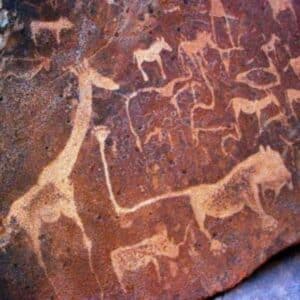

- Blombos Cave: Humanity’s first art studio
- San art in South Africa
- The Pygmy Schematic Art Zone and the Sandawe ‘Island’
- Nigerian Rock Gongs
- When the Sahara was Green
PART 2 – First Civilizations
- First Civilizations
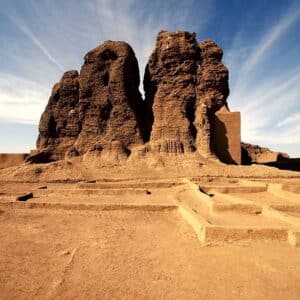

- The First Urban Centers of the Nile
- The Formation of Egypt
- Kingdom of Kush
- Iron made Cultures of the Niger
- The Expansion of Bantu people
PART 3 – Islam and Christianity
- Islam and Christianity
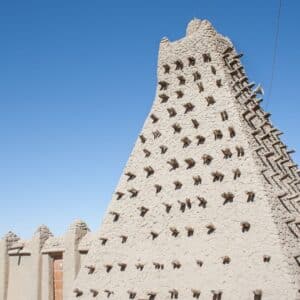

- Axum and Christian Ethiopia
- Eastern Christianity in Núbia
- The Expansion of Islam in North Africa
- Islam in the Swahili Coast
- Catholic Kongo and the Portuguese
PART 4 – Africa in Modern Era
- Africa in Modern Era
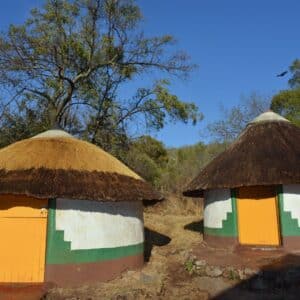

- West African Empires
- Bantu Kingdoms and Cultures
- Islamic Sultanates and the Kingdom of Ethiopia
- From the Cabinet of Curiosities to the Natural History Museum
- The Influence of African Art in Modern Art
FAQ: Frequently Asked Questions about the African Art History Course
We have compiled the answers to the most frequently asked questions about the African Art History course. Find out who the course is aimed at, what you will learn, how the online programme works, and how this course can deepen your knowledge of the art and heritage of the African continent.
Why study the History of African Art?
Because African art represents some of the oldest known artistic expressions and is fundamental to understanding the evolution of human creativity and the influence it has had on contemporary art.
Does the course cover only African masks and sculpture?
No. The programme begins with rock art and traces the continent’s artistic evolution, including architecture, painting, sculpture and religious art, integrating these with the historical context and the transformations that have taken place over time.
Will I learn how African art has influenced modern art?
Yes. One of the final modules analyses the influence exerted by African art on movements such as European modernism and on key 20th-century artists.
Do I need any prior knowledge?
No. The course has been designed both for anyone wishing to deepen their knowledge of art history and for students or professionals seeking a broader and more nuanced perspective on world art.
Is this course useful for tourist and cultural guides?
Yes. The content provides a solid historical and artistic framework, useful for guided tours, museums, exhibitions and heritage interpretation.
Does the course include a certificate?
Yes. Upon completion, a training certificate is issued, in accordance with the conditions set out by Citaliarestauro (a training organisation certified by DGERT).
Can I take the course at my own pace?
Yes. Access is online and the content can be accessed according to each participant’s availability, 24 hours a day and for an unlimited period.foundly influenced European and global art. This course offers a historical, contextualised and accessible overview, essential for students, heritage professionals, tour guides and anyone with a passion for art history.
Why study African Art?

Studying African Art means understanding one of the origins of human artistic creation and discovering how African cultures have profoundly influenced European and global art. This course offers a historical, contextualised and accessible overview, essential for students, heritage professionals, tour guides and anyone with a passion for art history.
Author
Manuela Tenreiro
PhD in History of Art at the School of Oriental and African Studies, I specialized in Arts and Cultures of the African Diaspora in 2008. Previously, I obtained a bachelor degree in visual arts and photography from San Francisco State University, while working as a docent at Diego Rivera’s Pan-American Unity mural (City College). Creator, editor and translator of the online publication conTRAmare.net while residing in Brazil between 2008 and 2017, I collaborated in various editorial and art education projects, as a writer, translator and researcher. In Rio de Janeiro, I attended Literary Translation courses and the Advanced Program of Contemporary Culture at the city’s Federal University. In 2017, I returned to my hometown, Lisbon, where I manage a private art studio with women artists and develop projects writing and translating art history projects.